In 2000, while studying at Cambridge University, Dr Corran McLachlan learned that different cows naturally produce milk with different protein structures and that proteins in milk affect people differently.
He learned that ordinary cows produce milk with different protein types, called A1 and A2 and that the A2 protein is digested differently than A1. Research over the years has since found that many people who have digestive discomfort when drinking ordinary cows’ milk find A2 milk easier on digestion.
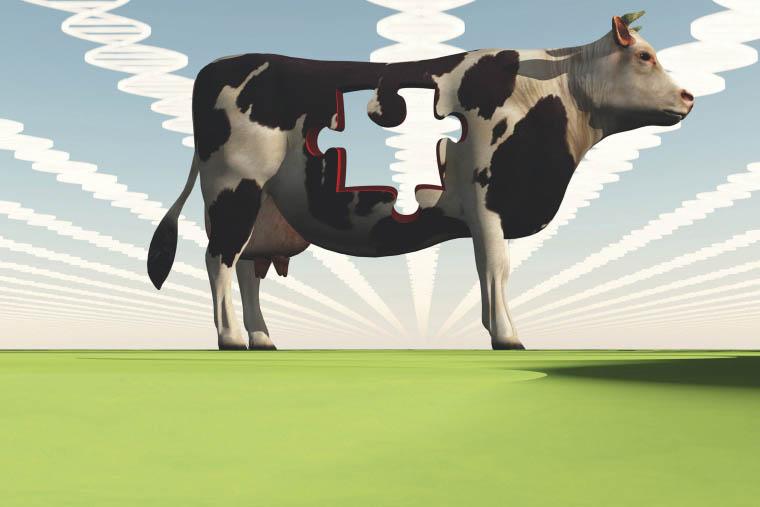
He then discovered there was a safe and simple way to identify cows that produced milk that was naturally A1-protein-free. Originally all cows produced milk containing only A2 protein. Genetic variation resulted in mixed herds with two types of proteins (A1 and A2).
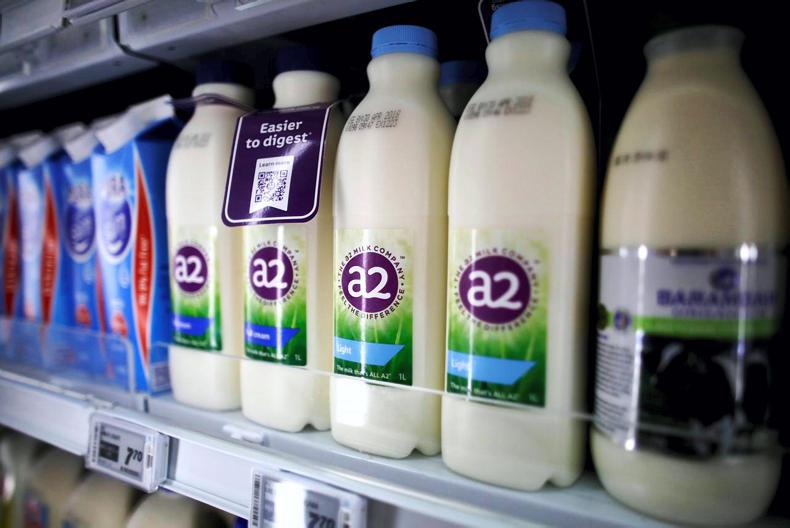
The A2 Milk Company is building a genuine international brand.
From there the A2 Milk Company was born. Dr McLachlan, the scientist who had conducted the early research on the A2 protein, and Howard Paterson, a wealthy New Zealand entrepreneur and farmer, founded the company in 2000.
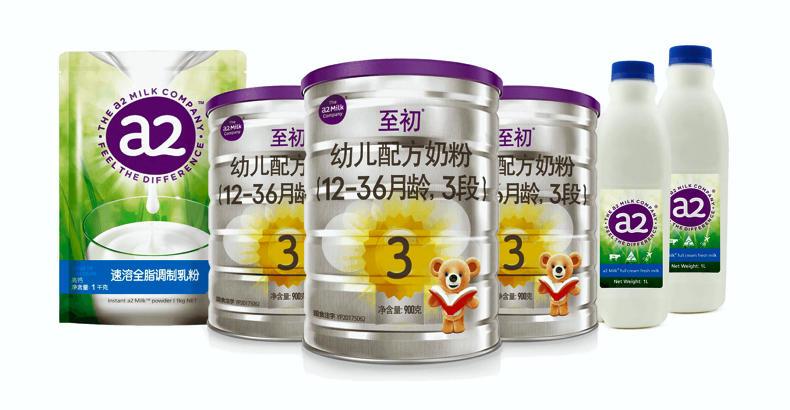
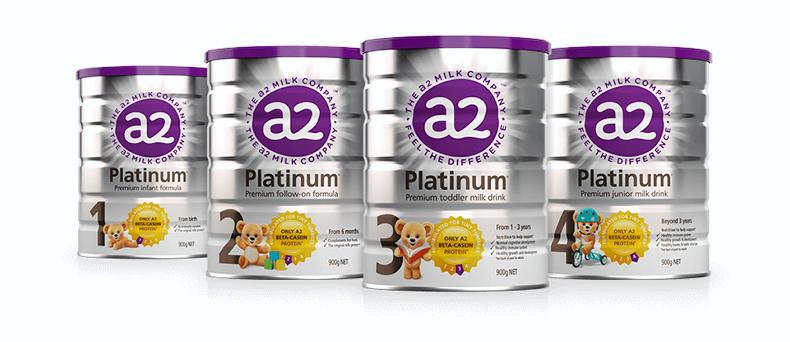
Most cows’ milk brands today contain a mix of both A1 and A2 proteins. All A2 milk products come from cows that have been selected to naturally produce only A2 protein and no A1. A2 milk looks like milk, tastes like milk, is completely natural and nutritionally dense just like ordinary cows’ milk and is suitable for people of all ages. The one big difference is in the type of cow.
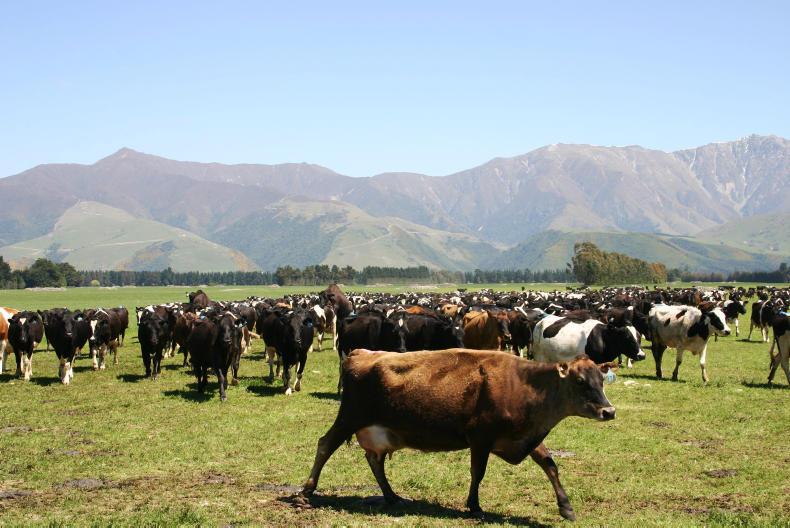
The company works closely with farmers to select and certify cows that naturally produce A1 protein–free milk. These identified cows are segregated into their own herds and milked separately.
The milk from these herds is kept separate and isolated throughout the supply chain.
Subsequent quality assurance checks are carried out to ensure the supply remains A1 protein free.
Last year, a clinical trial conducted in China involving 600 adults with self-reported lactose intolerance found consumption of milk containing the A2 protein reduced acute gastrointestinal symptoms.
The study was consistent with a previous pilot study published in 2016. A pilot study carried out under the New Zealand government’s high-value nutrition programme is now complete and being submitted for publication.
Further, a clinical study in China among pre-school children examining digestive benefits of A1-protein-free milk has been completed and submitted for publication. The company continues to support additional science and research and development programmes to enhance its overall brand proposition.
Huge growth
The A2 Milk Company has achieved huge growth over the last 18 years but it took until 2011 to make a profit. Today the company is the second most valuable company on the New Zealand stock exchange. Over the past two years alone, its market value has rocketed from NZ$2bn (€1.2bn) to NZ$11bn (€7.2bn). 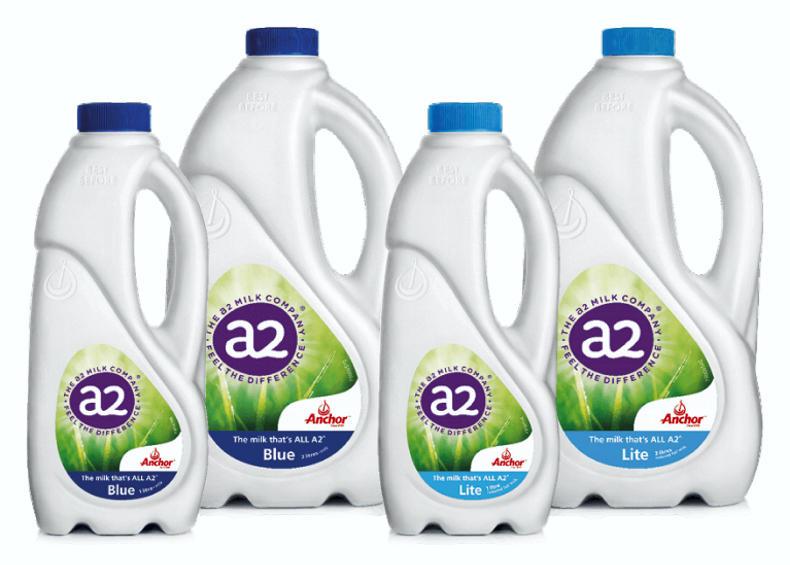
Over the last three years it has seen compound annual growth of 81% in revenue and 349% in profits (EBITDA). Shares in the company are up 25% in the past year. Year-on-year, A2 Milk Company grew revenues 68% from NZ$549m (€322m) to NZ$922m (€540m) while net income improved 115% from NZ$90m (€59) to NZ$196m (€115m). Last year it grew sales in the US and UK markets combined by 54% to NZ$32.4m (€19m). In China it grew sales by a whopping 163% to NZ$233.6m (€137m).
Meanwhile, it grew sales in its main markets of Australia and New Zealand by 49% to NZ$656.6m (€385m). Operating margins are an impressive 33%. The A2 Milk Company has a strong balance sheet and has consistently grown its cash reserves over the last four years to total NZ$341m (€200m).
Growth strategy
The growth strategy has three priorities: building a branded portfolio of dairy-based nutritional products based on the A1-protein-free proposition; investing in attractive markets where it believes it can build competitive brand strength; and deepening its knowledge and A2 protein expertise.
Last year, the company’s investment in marketing and R&D increased by NZ$32.3m (€19m) and a further NZ$2.2m (€1.3m) was capitalised for patents and trademarks.
Strategic partnerships
With a view to enhancing its supply chain and broader international market development, the company announced it was partnering with Fonterra last year. The deal will enable the A2 Milk Company, over time, to diversify its milk sourcing, processing and manufacturing to meet growing demand for its products. It says it does not affect its relationship with Synlait, which processed the milk up to now.
The initial scope of the relationship incorporated an exclusive powder agreement under which Fonterra will manufacture A1-protein-free products in Australia for certain priority markets in southeast Asia and the Middle East. It also gave an exclusive licence to Fonterra for the production, distribution, sale and marketing of A2 Milk-branded liquid milk in New Zealand.
For the A2 Milk Company it afforded the opportunity to leverage Fonterra’s sales and distribution capabilities in key markets.
The first signs of competition from a major international company in the A1-protein-free category appeared in March 2018 when Nestlé entered the category
According to Fonterra, the partnership would “fast-track market growth” by combining Fonterra’s sales and distribution expertise with the a2 Milk Company’s brand strength.
The first signs of competition from a major international company in the A1-protein-free category appeared in March 2018 when Nestlé entered the category. The A2 Milk Company says there has been no apparent impact on sales.
Although the A2 Milk Company said at the time that this was “a very strong endorsement” of the A2 proposition and that competition would help “build the category”, the company’s share price fell 10% within two days. Up to now, the A2 Milk Company has had first mover advantage and been lucky enough to enjoy a lucrative market in A2 infant formula in China. Nestlé is a large player with very deep pockets.
It is possible that Nestlé’s entry serves to grow the A2 dairy market. However, it is equally possible that without patent protection, A1-free becomes commoditised to the point that its unique proposition is eroded.
Instead of showing family farms or cows happily grazing outside on lush pastures, A2 Milk Company’s advertisements showed happy customers and emphasised digestive comfort with slogans such as “Feel the difference”, “Love milk again” and “Better than milk”. The company also had science behind its products. It was uniquely different and the slogans made an emotional rather than a rational connection to the product.
The company has also proven that there is real international potential across multiple geographies and products.
It is building a genuine international brand and its growing strength is impressive. Physical distribution has reached scale in both China and the US which should support the planned increased investment in these critical markets.
In 2000, while studying at Cambridge University, Dr Corran McLachlan learned that different cows naturally produce milk with different protein structures and that proteins in milk affect people differently.
He learned that ordinary cows produce milk with different protein types, called A1 and A2 and that the A2 protein is digested differently than A1. Research over the years has since found that many people who have digestive discomfort when drinking ordinary cows’ milk find A2 milk easier on digestion.
He then discovered there was a safe and simple way to identify cows that produced milk that was naturally A1-protein-free. Originally all cows produced milk containing only A2 protein. Genetic variation resulted in mixed herds with two types of proteins (A1 and A2).
The A2 Milk Company is building a genuine international brand.
From there the A2 Milk Company was born. Dr McLachlan, the scientist who had conducted the early research on the A2 protein, and Howard Paterson, a wealthy New Zealand entrepreneur and farmer, founded the company in 2000.
Most cows’ milk brands today contain a mix of both A1 and A2 proteins. All A2 milk products come from cows that have been selected to naturally produce only A2 protein and no A1. A2 milk looks like milk, tastes like milk, is completely natural and nutritionally dense just like ordinary cows’ milk and is suitable for people of all ages. The one big difference is in the type of cow.
The company works closely with farmers to select and certify cows that naturally produce A1 protein–free milk. These identified cows are segregated into their own herds and milked separately.
The milk from these herds is kept separate and isolated throughout the supply chain.
Subsequent quality assurance checks are carried out to ensure the supply remains A1 protein free.
Last year, a clinical trial conducted in China involving 600 adults with self-reported lactose intolerance found consumption of milk containing the A2 protein reduced acute gastrointestinal symptoms.
The study was consistent with a previous pilot study published in 2016. A pilot study carried out under the New Zealand government’s high-value nutrition programme is now complete and being submitted for publication.
Further, a clinical study in China among pre-school children examining digestive benefits of A1-protein-free milk has been completed and submitted for publication. The company continues to support additional science and research and development programmes to enhance its overall brand proposition.
Huge growth
The A2 Milk Company has achieved huge growth over the last 18 years but it took until 2011 to make a profit. Today the company is the second most valuable company on the New Zealand stock exchange. Over the past two years alone, its market value has rocketed from NZ$2bn (€1.2bn) to NZ$11bn (€7.2bn).
Over the last three years it has seen compound annual growth of 81% in revenue and 349% in profits (EBITDA). Shares in the company are up 25% in the past year. Year-on-year, A2 Milk Company grew revenues 68% from NZ$549m (€322m) to NZ$922m (€540m) while net income improved 115% from NZ$90m (€59) to NZ$196m (€115m). Last year it grew sales in the US and UK markets combined by 54% to NZ$32.4m (€19m). In China it grew sales by a whopping 163% to NZ$233.6m (€137m).
Meanwhile, it grew sales in its main markets of Australia and New Zealand by 49% to NZ$656.6m (€385m). Operating margins are an impressive 33%. The A2 Milk Company has a strong balance sheet and has consistently grown its cash reserves over the last four years to total NZ$341m (€200m).
Growth strategy
The growth strategy has three priorities: building a branded portfolio of dairy-based nutritional products based on the A1-protein-free proposition; investing in attractive markets where it believes it can build competitive brand strength; and deepening its knowledge and A2 protein expertise.
Last year, the company’s investment in marketing and R&D increased by NZ$32.3m (€19m) and a further NZ$2.2m (€1.3m) was capitalised for patents and trademarks.
Strategic partnerships
With a view to enhancing its supply chain and broader international market development, the company announced it was partnering with Fonterra last year. The deal will enable the A2 Milk Company, over time, to diversify its milk sourcing, processing and manufacturing to meet growing demand for its products. It says it does not affect its relationship with Synlait, which processed the milk up to now.
The initial scope of the relationship incorporated an exclusive powder agreement under which Fonterra will manufacture A1-protein-free products in Australia for certain priority markets in southeast Asia and the Middle East. It also gave an exclusive licence to Fonterra for the production, distribution, sale and marketing of A2 Milk-branded liquid milk in New Zealand.
For the A2 Milk Company it afforded the opportunity to leverage Fonterra’s sales and distribution capabilities in key markets.
The first signs of competition from a major international company in the A1-protein-free category appeared in March 2018 when Nestlé entered the category
According to Fonterra, the partnership would “fast-track market growth” by combining Fonterra’s sales and distribution expertise with the a2 Milk Company’s brand strength.
The first signs of competition from a major international company in the A1-protein-free category appeared in March 2018 when Nestlé entered the category. The A2 Milk Company says there has been no apparent impact on sales.
Although the A2 Milk Company said at the time that this was “a very strong endorsement” of the A2 proposition and that competition would help “build the category”, the company’s share price fell 10% within two days. Up to now, the A2 Milk Company has had first mover advantage and been lucky enough to enjoy a lucrative market in A2 infant formula in China. Nestlé is a large player with very deep pockets.
It is possible that Nestlé’s entry serves to grow the A2 dairy market. However, it is equally possible that without patent protection, A1-free becomes commoditised to the point that its unique proposition is eroded.
Instead of showing family farms or cows happily grazing outside on lush pastures, A2 Milk Company’s advertisements showed happy customers and emphasised digestive comfort with slogans such as “Feel the difference”, “Love milk again” and “Better than milk”. The company also had science behind its products. It was uniquely different and the slogans made an emotional rather than a rational connection to the product.
The company has also proven that there is real international potential across multiple geographies and products.
It is building a genuine international brand and its growing strength is impressive. Physical distribution has reached scale in both China and the US which should support the planned increased investment in these critical markets.






SHARING OPTIONS